Tag: Artificial Intelligence

  • The Impact of Artificial Intelligence on Corporate Innovation

    The Impact of Artificial Intelligence on Corporate Innovation

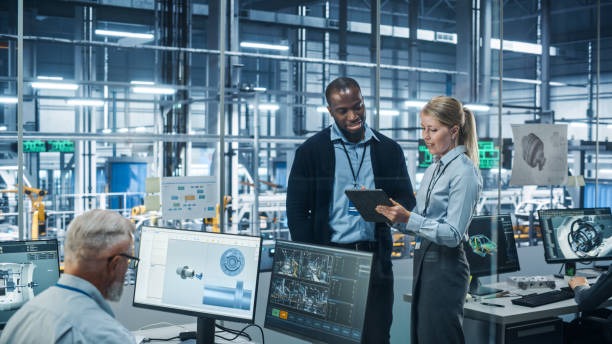
    The rapid advancement of artificial intelligence (AI) has significantly transformed the landscape of corporate innovation, reshaping how businesses approach problem-solving, product development, and strategic decision-making. AI technologies such as machine learning, natural language processing, and computer vision have introduced new possibilities for companies to innovate more efficiently and effectively. By automating routine tasks and analyzing vast amounts of data with unprecedented speed and accuracy, AI enables organizations to uncover insights that were previously inaccessible or too time-consuming to detect.

    One of the primary impacts of AI on corporate innovation is its ability to accelerate research and development processes. Traditional R&D often involves lengthy trial-and-error cycles that consume substantial resources without guaranteed outcomes. AI-driven tools can simulate experiments, predict outcomes based on historical data, and identify promising avenues for exploration much faster than human researchers alone. This capability not only reduces costs but also shortens time-to-market for new products or services. For example, in the pharmaceutical industry, AI algorithms analyze molecular structures to discover potential drug candidates rapidly, revolutionizing how treatments are developed.

    Moreover, AI fosters a culture of continuous innovation by enabling personalized customer experiences through advanced data analytics. Companies leverage AI-powered platforms to gather real-time feedback from consumers and adapt their offerings accordingly. This dynamic interaction helps businesses stay ahead of changing market demands while enhancing customer satisfaction. Retailers use recommendation engines driven by machine learning to tailor product suggestions uniquely suited to each shopper’s preferences-an approach that increases sales while deepening brand loyalty.

    In addition to improving internal processes and customer engagement strategies, AI also facilitates collaboration across departments by providing intelligent insights that inform decision-making at all organizational levels. Executives rely on predictive analytics models powered by AI to evaluate risks and opportunities before committing resources toward innovative projects. These models synthesize complex datasets into actionable knowledge that guides strategic planning with greater confidence.

    However, the integration of Artificial Intelligence into corporate innovation is not without challenges. Ethical considerations surrounding data privacy and algorithmic bias require careful management to maintain trust among stakeholders. Furthermore, workforce transformation necessitates reskilling employees so they can work alongside intelligent systems rather than be displaced by them.

    Despite these hurdles, the overall impact of artificial intelligence on corporate innovation remains profoundly positive. By augmenting human creativity with computational power and fostering agile responses in competitive markets, AI continues to drive breakthroughs across industries worldwide-ushering in a new era where technology amplifies ingenuity rather than replaces it entirely. As companies embrace this paradigm shift thoughtfully and responsibly, they position themselves for sustained growth fueled by smarter innovations tailored for an increasingly complex global economy.
  • How AI Is Changing the Future of Workplaces

    How AI Is Changing the Future of Workplaces

    Artificial intelligence (AI) is rapidly transforming the landscape of workplaces across the globe, ushering in a new era characterized by enhanced efficiency, innovation, and collaboration. As organizations increasingly adopt AI technologies, the nature of work itself is evolving, influencing how tasks are performed, how decisions are made, and how employees engage with their roles.

    One of the most significant impacts of AI on workplaces is automation. Routine and repetitive tasks that once consumed substantial time and human effort can now be handled swiftly by intelligent systems. This shift allows employees to focus on more strategic and creative aspects of their jobs. For example, in industries such as manufacturing or customer service, AI-powered robots and chatbots manage inventory control or respond to common inquiries efficiently. By reducing manual workloads, businesses not only improve productivity but also enable workers to develop skills that require critical thinking and emotional intelligence.

    Moreover, AI enhances decision-making processes through advanced data analytics. Machine learning algorithms analyze vast amounts of information quickly and accurately to identify patterns that may elude human perception. Managers can leverage these insights for forecasting trends, optimizing supply chains, or tailoring marketing strategies based on consumer behavior analysis. Consequently, decision-making becomes more evidence-based rather than reliant solely on intuition or experience.

    Collaboration within teams also benefits from AI integration. Tools powered by natural language processing facilitate communication by translating languages in real-time or summarizing lengthy documents into concise briefs. Virtual assistants help schedule meetings intelligently by considering participants’ availability across different time zones while minimizing conflicts. These capabilities foster smoother interactions among geographically dispersed teams and support remote work arrangements-an increasingly prevalent model accelerated by recent global events.

    However, the rise of AI introduces challenges alongside its advantages. Concerns about job displacement due to automation persist among many workers fearing redundancy in certain roles. Addressing this requires proactive reskilling initiatives where companies invest in training programs that equip employees with competencies complementary to AI technologies rather than competing against them directly.

    Ethical considerations surrounding data privacy and algorithmic bias also demand attention as workplaces become more reliant on automated systems for sensitive functions like recruitment or performance evaluation. Ensuring transparency in how decisions are generated helps build trust between employers and staff while promoting fairness across organizational practices.

    In conclusion, Artificial Intelligence is reshaping workplaces fundamentally by automating mundane tasks, augmenting human capabilities through insightful analytics, enhancing communication tools for better teamwork, yet simultaneously posing important societal questions regarding employment security and ethics. Embracing this transformation thoughtfully will enable organizations not only to thrive competitively but also create fulfilling environments where humans collaborate effectively with intelligent machines toward shared goals.