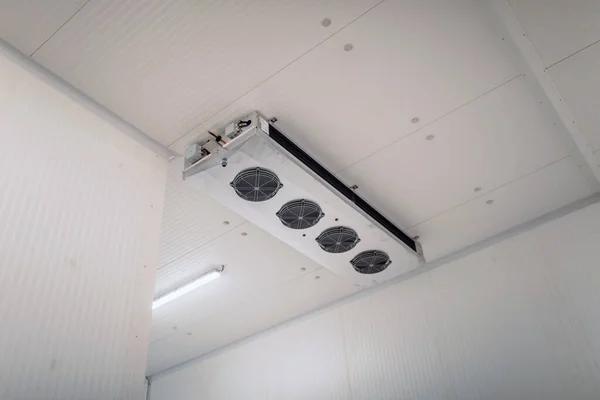
Tag: Refrigeration Solutions

  • Finding Reliable Commercial Refrigeration for Every Industry

    Finding Reliable Commercial Refrigeration for Every Industry

    Finding reliable commercial refrigeration is essential for businesses across various industries, as it directly impacts product quality, safety, and operational efficiency. Whether operating a restaurant, grocery store, pharmaceutical company, or floral shop, selecting the right refrigeration equipment ensures that perishable items are stored at optimal temperatures to prevent spoilage and maintain freshness. The process begins by understanding specific industry requirements and evaluating available options based on durability, energy efficiency, capacity, and maintenance needs.

    Different industries have unique refrigeration demands that influence the choice of equipment. Foodservice establishments typically require units capable of handling frequent door openings while maintaining consistent temperatures to comply with health regulations. Grocery stores need large-capacity refrigerators with adjustable shelving to accommodate diverse products ranging from fresh produce to frozen goods. Pharmaceutical companies demand precise temperature control within strict ranges to preserve medications’ efficacy. Floral shops benefit from specialized coolers designed to extend the life of delicate flowers by controlling humidity alongside temperature.

    Durability is a critical factor when investing in Commercial Refrigeration because these units operate continuously under demanding conditions. Equipment made from high-quality materials such as stainless steel offers resistance against corrosion and wear over time. Additionally, models featuring advanced compressors tend to provide more reliable performance and quieter operation compared to basic designs. Energy efficiency should also be prioritized since refrigeration accounts for a significant portion of utility costs in many businesses. Units with Energy Star certification or similar ratings help reduce electricity consumption without compromising cooling capabilities.

    Capacity considerations depend largely on business size and inventory turnover rates; choosing an undersized refrigerator can lead to overcrowding and uneven cooling while oversized units may waste energy unnecessarily. It is advisable for buyers to assess current storage needs along with potential growth before making decisions about dimensions or modularity options that allow future expansion.

    Maintenance accessibility plays a vital role in ensuring long-term reliability as well. Refrigerators equipped with easily removable panels facilitate routine cleaning and repairs by technicians or staff members alike. Regular upkeep prevents common issues such as compressor failure or refrigerant leaks that could disrupt operations abruptly.

    Working closely with reputable suppliers who understand industry-specific challenges helps identify suitable models tailored for particular applications rather than generic solutions prone to failure under heavy use conditions. Reliable commercial refrigeration not only safeguards products but also supports regulatory compliance efforts by maintaining proper documentation through digital monitoring features present in many modern systems.

    In conclusion, finding dependable commercial refrigeration involves careful analysis of industry needs combined with thorough evaluation of equipment characteristics including durability, energy consumption, capacity adequacy, ease of maintenance, and supplier expertise. Investing wisely in appropriate cooling solutions ultimately contributes significantly toward preserving product integrity while optimizing overall business performance across diverse sectors requiring refrigerated environments consistently throughout their daily operations.
  • Commercial Refrigeration Equipment Helping Businesses Reduce Energy Costs

    Commercial Refrigeration Equipment Helping Businesses Reduce Energy Costs

    Commercial refrigeration equipment plays a significant role in helping businesses reduce energy costs, especially in sectors such as food service, retail, and hospitality. With rising energy prices and increasing environmental concerns, companies are actively seeking ways to optimize their operations while minimizing expenses. Modern refrigeration systems have evolved considerably from older models by incorporating advanced technologies designed to enhance efficiency and lower power consumption.

    One of the primary ways commercial refrigeration equipment contributes to energy savings is through improved insulation materials and design. Enhanced insulation reduces heat transfer between the interior of the unit and its surroundings, which decreases the workload on compressors. This reduction means that cooling systems operate less frequently or for shorter durations, directly translating into lower electricity use. Additionally, many new units feature high-performance doors with tight seals that prevent cold air from escaping and warm air from entering, further preserving temperature stability inside refrigerators or freezers.

    Another critical advancement lies in compressor technology itself. Variable speed compressors adjust their output based on demand rather than running at full capacity continuously. By matching cooling needs more precisely throughout daily business cycles, these compressors avoid unnecessary energy expenditure during periods of low activity or when ambient temperatures are moderate. Some Commercial Refrigeration units also incorporate intelligent controls that monitor conditions like humidity levels and door openings to optimize operation dynamically.

    Lighting within commercial refrigerators has shifted toward LED solutions because they consume significantly less power compared to traditional incandescent bulbs while producing minimal heat that could affect internal temperatures negatively. This change not only lowers electrical demand but also reduces strain on cooling components tasked with offsetting added warmth generated by lighting sources.

    Businesses can benefit financially by investing in Energy Star-rated refrigeration equipment certified for meeting strict efficiency criteria set by regulatory bodies. These products often qualify for rebates or incentives offered by utility companies aiming to promote sustainable practices among commercial customers. Over time, reduced utility bills combined with potential tax credits help offset initial purchase costs associated with upgrading outdated appliances.

    Maintenance practices also influence how effectively refrigeration systems conserve energy over their lifespan. Regular cleaning of condenser coils prevents dust buildup that impedes heat exchange processes essential for efficient operation. Timely replacement of worn parts ensures consistent performance without excessive power draw caused by mechanical issues.

    In summary, adopting modern commercial refrigeration equipment enables businesses to achieve considerable reductions in energy consumption through better insulation, advanced compressor technologies, efficient lighting options, and smart control features. Coupled with proper maintenance routines and eligibility for financial incentives, these improvements support both economic savings and environmental responsibility goals across various industries relying on cold storage solutions every day.