
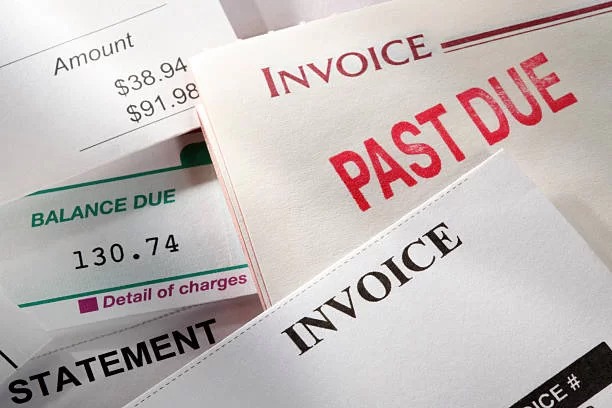
Every business eventually encounters clients who miss payment deadlines. Whether you run a small company, work as a freelancer, or manage a growing agency, overdue invoices can interrupt cash flow and create unnecessary financial pressure. However, learning how to collect unpaid invoices doesn’t have to mean damaging valuable client relationships. With the right approach, you can encourage timely payments while maintaining professionalism and trust.
Understand Why Payments Are Delayed
Before assuming the worst, it’s important to recognize that not every late payment is intentional. Clients may overlook an invoice, experience temporary financial difficulties, or have internal approval processes that slow down payments. Taking a moment to understand the possible reason behind the delay allows you to approach the situation calmly rather than emotionally.
Starting the conversation with empathy often leads to better results than immediately demanding payment. Clients are generally more willing to cooperate when they feel respected instead of pressured.
Begin with a Friendly Reminder
One of the simplest ways to learn how to collect unpaid invoices is by sending a polite reminder shortly after the due date passes. Many overdue invoices are paid quickly once the client realizes the payment was missed.
Your reminder should be professional and courteous, simply mentioning that the invoice is now overdue while including the necessary payment details. A friendly tone shows that you value the business relationship and are simply following your normal billing process.
Keeping your communication positive at this stage helps avoid unnecessary tension and often results in a prompt payment.
Stay Professional Throughout the Process
If the first reminder doesn’t receive a response, it’s important to continue following up without becoming confrontational. Consistency demonstrates that you take your payment terms seriously while maintaining respect for your client.
Professional communication should always focus on resolving the issue rather than assigning blame. Avoid emotional language, accusations, or threats that could permanently damage the relationship. Instead, clearly explain that the invoice remains outstanding and politely request an update on the payment status.
Many businesses find that clients respond more positively to calm, respectful communication than aggressive collection tactics.
Make Paying as Easy as Possible
Sometimes clients delay payment simply because the payment process is inconvenient or confusing. If your invoice only offers one payment option or lacks clear instructions, it may unintentionally create delays.
Providing simple payment methods and clear instructions removes unnecessary obstacles. Online payment portals, bank transfers, digital payment services, and secure payment links all make it easier for clients to complete transactions quickly.
The fewer barriers your clients face, the more likely they are to settle outstanding invoices without further reminders.
Show Flexibility When Appropriate
Every client situation is different, and there may be times when flexibility benefits both parties. If a reliable client explains that they are experiencing temporary cash flow issues, discussing a short payment extension or installment arrangement may be more productive than insisting on immediate full payment.
Offering reasonable solutions demonstrates that you value the long-term relationship rather than focusing only on a single invoice. In many cases, clients remember businesses that treated them fairly during difficult periods and continue working with them in the future.
Flexibility should always be balanced with clear expectations so that both parties understand the revised payment timeline.
Know When to Become More Direct
If several reminders go unanswered, it becomes necessary to communicate more firmly while remaining professional. At this stage, your message should clearly state that the invoice remains unpaid despite previous attempts to resolve the matter.
Rather than expressing frustration, focus on the facts. Mention the invoice number, the outstanding amount, and provide a reasonable deadline for payment. Explaining that additional collection steps may become necessary if payment is not received often encourages clients to respond without escalating the conflict.
Maintaining a respectful tone, even during more serious discussions, protects your company’s reputation and keeps communication productive.
Create Better Payment Habits for the Future
One of the best strategies for how to collect unpaid invoices is preventing overdue payments before they happen. Businesses with clear contracts, transparent payment terms, and organized invoicing systems generally experience fewer collection problems.
Sending invoices promptly after completing work, confirming that clients have received them, and using automated reminder systems all contribute to faster payments. Many businesses also reduce payment issues by requesting deposits for larger projects or setting milestone payments throughout longer contracts.
When expectations are established from the beginning, clients are much more likely to pay on time and understand the importance of meeting agreed deadlines.
Conclusion
Knowing how to collect unpaid invoices is about more than simply recovering money—it is about protecting your business while preserving valuable professional relationships. By approaching clients with patience, communicating consistently, and remaining professional throughout the process, you can significantly improve your chances of receiving payment without creating unnecessary conflict. A respectful collection strategy not only strengthens your cash flow but also reinforces your reputation as a reliable and professional business partner.