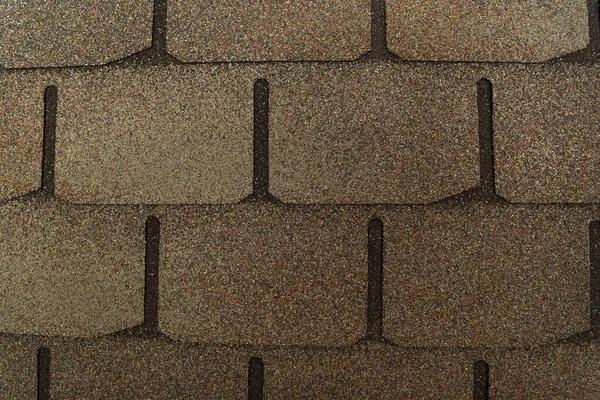
Preparing your roof for heavy rainfall is a crucial aspect of home maintenance that can prevent extensive damage and costly repairs. As climate patterns shift, many regions are experiencing increased rainfall intensity, making it essential for homeowners to ensure their roofs are in optimal condition. A proactive approach can safeguard your property from water damage and extend the lifespan of your roof.
Firstly, regular inspection is key to identifying potential vulnerabilities. Homeowners should conduct thorough checks at least twice a year, ideally before and after the rainy season. Look for signs of wear and tear such as missing or damaged shingles, cracks, or any visible sagging areas. These issues can compromise the integrity of the roof during heavy rainfall, leading to leaks and further structural problems.
Cleaning gutters and downspouts is another critical step in preparing for heavy rain. Clogged gutters can cause water to overflow onto the roof or pool around the foundation of your home, increasing the risk of leaks and water damage inside your house. Ensure that all debris such as leaves and twigs are removed regularly to allow rainwater to flow freely away from your property.
In addition to cleaning gutters, checking for proper drainage is vital. Ensure that downspouts open this page direct water at least three feet away from your home’s foundation. If necessary, consider installing gutter extensions or splash blocks to guide water further away from vulnerable areas.
Another important consideration is trimming overhanging branches near your roofline. During storms with high winds accompanying heavy rainfalls, these branches can break off and cause significant damage by puncturing roofing materials or clogging gutters with additional debris.
Moreover, waterproofing measures play an integral role in safeguarding against moisture penetration during intense rains. Applying a high-quality sealant on vulnerable areas like chimneys, skylights, vents may help prevent leaks where different materials meet on rooftops – places prone most often exposed under severe weather conditions due frequent expansions contractions caused varying temperatures humidity levels experienced throughout year cycle within many climates globally today’s environment contexts alike!
For those living in particularly storm-prone regions considering investing impact-resistant roofing materials might prove beneficial long-term perspective given durability withstand hailstorms well torrential downpours alike thereby reducing likelihood needing replace components frequently thus saving money effort concerned future endeavors maintaining household infrastructure overall effectively efficiently possible manner feasible circumstances present themselves accordingly time passes inevitably brings changes along way journey life itself unfolds naturally course events transpire continuously ever onward progression humanity collectively together united shared purpose common good everyone involved equally represented honored respected valued appreciated cherished fully wholeheartedly always forevermore!