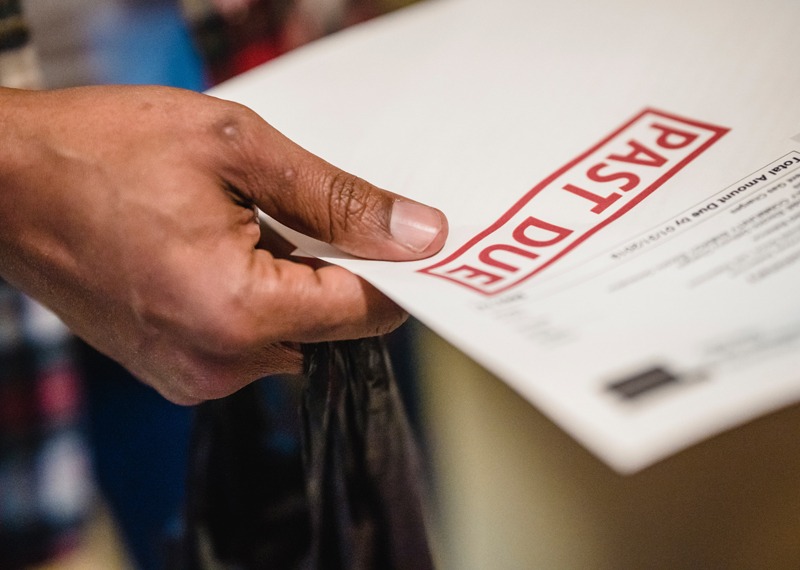
Medical bills can sometimes become difficult to manage, especially when insurance covers only part of the cost or an unexpected healthcare expense creates a large balance. Understanding how medizinisches Inkasso works can help patients know what to expect and how to handle unpaid healthcare bills responsibly.
How Medical Debt Begins
Medical debt generally starts when a patient receives healthcare services and a portion of the bill remains unpaid. After insurance processes a claim, the healthcare provider sends the patient a statement showing the remaining balance. The amount may include deductibles, copayments, coinsurance, or services that were not covered by insurance.
Patients should review these statements carefully to make sure the charges and insurance payments are accurate.
Initial Payment Requests
Healthcare providers usually give patients an opportunity to pay their outstanding balance before taking further collection action. They may send multiple billing statements or reminders through mail, email, phone calls, or online payment systems.
During this stage, contacting the provider can be useful if the patient cannot afford the full amount. Some providers may offer payment plans, discounts, or financial assistance programs depending on their policies and the patient’s circumstances.
When an Account Goes to Collections
If a medical bill remains unpaid, the healthcare provider may eventually refer or sell the account to a collection agency. Once this happens, the collection agency may contact the patient about the outstanding balance.
At this point, it is important to keep copies of previous bills and payment records. Patients should also make sure they understand who is contacting them and what specific debt the communication concerns.
Reviewing and Disputing a Medical Bill
Medical billing can involve complicated insurance claims and multiple service providers, so mistakes can happen. A patient who believes the amount is incorrect should review the original statement and insurance explanation of benefits.
If there is an error, the patient can contact the healthcare provider, insurance company, or collection agency as appropriate. Keeping written documentation of conversations and payments can make it easier to resolve disagreements.
Understanding Consumer Rights
People dealing with medical debt have consumer rights that may limit certain collection practices. Depending on the applicable laws and circumstances, debt collectors may have requirements concerning communications, validation of debts, and disputes.
Anyone who believes a collector has violated their rights may want to seek guidance from a qualified consumer attorney or an appropriate government or nonprofit resource.
Communication Can Help
Ignoring an outstanding medical bill may make the situation harder to resolve. Instead, communicating with the provider or collection agency can help clarify the balance and available payment options.
Patients should only agree to payment arrangements they can realistically maintain. They should also keep receipts, confirmation emails, and other records related to payments.
The Importance of Fair Collection Practices
For healthcare providers and collection agencies, recovering legitimate unpaid balances should be balanced with respectful treatment of patients. Clear statements, accurate account information, flexible payment methods, and straightforward communication can create a better experience for everyone involved.
Final Thoughts
Medical debt collection can be stressful, but understanding the process makes it easier to respond appropriately. Reviewing bills, checking insurance information, communicating with the relevant parties, keeping detailed records, and learning about applicable consumer protections can all help.
Because laws and collection procedures vary by location, anyone facing a significant or disputed medical debt should consider obtaining professional advice before making important financial decisions.