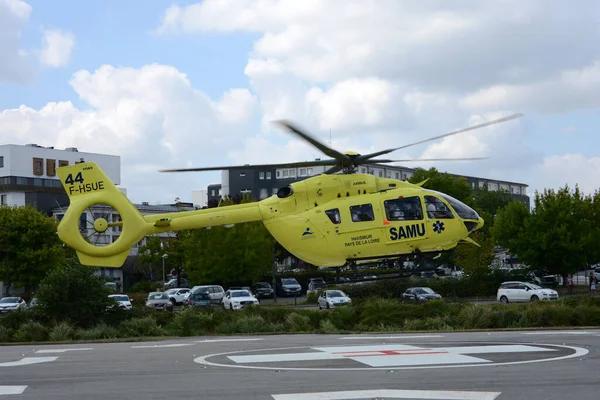
Long distance medical transport plays a crucial role in ensuring patients receive timely and specialized care when traveling between healthcare facilities or returning home after treatment. These journeys require careful planning and execution to prioritize safety, comfort, and the specific medical needs of each individual. Unlike typical transportation services, long distance medical transport involves trained professionals equipped with advanced medical equipment to monitor and support patients throughout their travel.
One of the primary concerns during such trips is maintaining patient stability. Medical transport teams include paramedics, nurses, or other healthcare providers who continuously assess vital signs and respond promptly to any changes in condition. browse this website constant monitoring helps prevent complications that might arise from extended travel times or underlying health issues. Vehicles used for these transports are specifically designed with features like adjustable beds, climate control systems, and easy access for emergency interventions to create an environment conducive to patient well-being.
Comfort is another essential factor in long distance medical transport. Patients may be experiencing pain, fatigue, or anxiety related to their health conditions or the journey itself. Providing a calm atmosphere through noise reduction measures and smooth vehicle operation can significantly reduce stress levels. Additionally, clear communication between the transport team and patients ensures that individuals understand what to expect during the trip, which fosters trust and cooperation.
Coordination among multiple parties is vital for successful long distance medical transportation. Healthcare providers must collaborate closely with transport companies to share detailed information about the patient’s condition, medication requirements, mobility limitations, and any special instructions needed during transit. This preparation allows teams to tailor their approach according to individual needs while minimizing risks associated with delays or miscommunication.
Technology also enhances safety by enabling real-time tracking of vehicles along planned routes so that dispatch centers remain informed about progress and can intervene if necessary. Many services offer options such as wheelchair accessibility or stretcher accommodations depending on patient mobility status.
In conclusion, safe and comfortable journeys through long distance medical transport depend on specialized personnel training combined with purpose-built vehicles designed for continuous care delivery outside hospital settings. Attention given toward personalized care plans ensures patients experience minimal discomfort while receiving appropriate monitoring en route between destinations separated by considerable distances. This seamless integration of expertise makes it possible for vulnerable individuals requiring ongoing treatment far from home not only reach their destinations securely but also maintain dignity throughout every mile traveled under professional supervision.