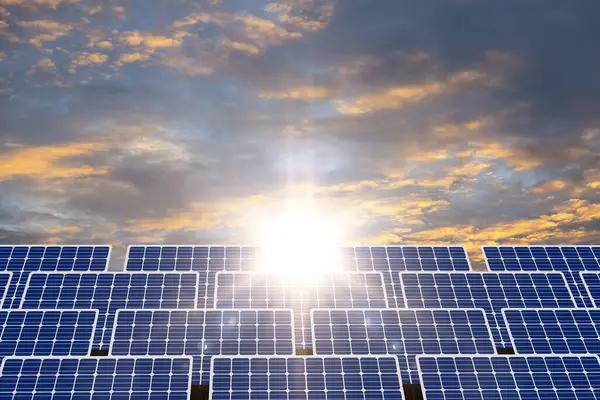
The performance of solar panels is significantly influenced by their positioning, which plays a crucial role in determining the efficiency and energy output of photovoltaic systems. Understanding how solar panel positioning affects performance can lead to more effective utilization of solar energy, ultimately contributing to greater energy independence and environmental sustainability.
Solar panels convert sunlight into electricity through photovoltaic cells, and their efficiency largely depends on the amount of sunlight they receive. Therefore, optimal positioning is essential for maximizing exposure to sunlight throughout the day. The angle at which a solar panel is installed relative to the ground—known as its tilt angle—can greatly impact its ability to capture sunlight. Ideally, this angle should be adjusted according to geographical location and seasonal changes in the sun’s path across the sky.
In regions closer to the equator, where sunlight tends to be more direct year-round, a smaller tilt angle may suffice. Conversely, areas farther from the equator might require steeper angles during certain times of the year when the sun sits lower in the sky. Additionally, adjusting tilt angles seasonally can enhance performance; for instance, increasing tilt during winter months can help capture low-angled sunlight more effectively.
Another critical factor influencing solar panel performance is orientation—the see website direction that panels face relative to true north or south. For installations in the northern hemisphere, facing panels towards true south typically yields optimal results by ensuring maximum exposure over a given day and throughout different seasons. In contrast, southern hemisphere installations benefit from orienting panels towards true north.
However, practical considerations such as roof design or available land space may limit ideal orientations or tilts in residential settings. In such cases where perfect alignment isn’t feasible due either structural constraints or shading issues caused by nearby buildings or trees—compromises must often be made between theoretical optimums versus real-world limitations while still striving toward enhancing overall system productivity wherever possible through strategic placement decisions based upon site-specific conditions present within each unique installation environment encountered respectively therein accordingly so forth forthwith henceforth thereby thusly hereinafter notwithstanding nevertheless albeit vis-à-vis per se ad infinitum et cetera et al ergo ipso facto quid pro quo de facto bona fide sine qua non ex post facto caveat emptor carpe diem tempus fugit memento mori veni vidi vici etcetera e pluribus unum ad hoc modus operandi status quo terra firma vox populi magna cum laude summa cum laude alma mater habeas corpus curriculum vitae tabula rasa mea culpa persona non grata prima facie quidnunc pro bono publicus res ipsa loquitur sub judice sui generis ultra vires veritas vos liberabit vice versa viva voce via media volenti non fit injuria vulgo vox nihili yawn zzz…