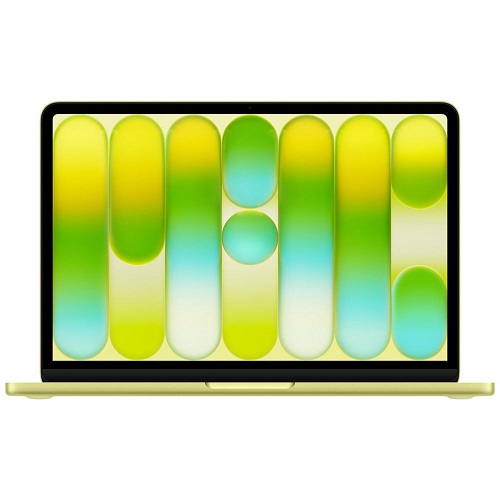
The launch that broke Apple’s own records
Apple dropped the MacBook Neo on March 11, 2026 and Tim Cook called it the company’s “best launch week ever.” The headline is hard to ignore: a 13‑inch Mac, built on the same A18 Pro silicon that powers the iPhone 16 Pro, priced at $599 (or $899 for the higher‑spec model). It’s the first time Apple has put an A‑series chip into a laptop and the move has set the stage for a new tier of entry‑level Macs.
Performance that surprises
The A18 Pro’s six‑core CPU and five‑core GPU deliver a smooth experience for everyday tasks. Web browsing, video calls and document editing feel buttery and the integrated 16‑core Neural Engine makes the Neo surprisingly competent at light video editing and AI‑assisted workflows. Benchmarks place it ahead of most Windows ultrabooks in the $600‑$800 bracket, though power‑hungry pro apps still favor the M‑series.
Build quality that feels premium
Apple has managed to keep the Neo’s chassis in solid aluminum despite the low price point. The feel is unmistakably “Mac”: a rigid, weight‑balanced body that doesn’t wobble on a desk. The Magic Keyboard is the same scissor‑mechanism found in higher‑end Macs, though it lacks backlighting, a noticeable omission for anyone who works after sunset.
A display that outshines the competition
The 13‑inch Liquid Retina panel (2408 × 1506, 500 nits, P3 gamut) is bright enough for most indoor lighting and offers a crisp, color‑accurate experience that beats many Windows counterparts at this price. The 1080p FaceTime HD camera, while not a game‑changer, is a step up from the 720p units still found on many budget laptops.
Value proposition
At $599 for the base model (8GB unified memory, 256GB SSD) the Neo lands in a sweet spot for students and casual users. The price includes a 20W USB‑C power brick (except in the EU/UK where Apple ships the laptop charger‑less). The 16‑hour battery claim holds up under mixed usage, making it a viable daily driver for most non‑power‑user scenarios.
The compromises you’ll have to live with
- Ports: One USB‑C port with full 10 Gbps/DisplayPort capability, a second USB‑C limited to USB 2.0 speeds and a headphone jack. No MagSafe, no Thunderbolt, no HDMI.
- Keyboard backlighting: Absent. Typing in low‑light conditions becomes a manual exercise.
- Memory & storage: 8GB unified memory is soldered and the base storage caps at 256GB. Upgrading means paying a premium for the 512GB model, which also adds Touch ID.
These trade‑offs keep the Neo’s price low but may push power users toward the M‑series or a Windows alternative.
Spec sheet at a glance
| Spec | Detail |
|---|---|
| Chip | Apple A18 Pro (6‑core CPU, 5‑core GPU, 16‑core Neural Engine) |
| Memory | 8GB unified (non‑upgradeable) |
| Storage | 256GB or 512GB SSD |
| Display | 13‑inch Liquid Retina, 2408 × 1506, 500 nits, P3 |
| Battery | 36.5Wh, up to 16 h video playback |
| Ports | USB‑C (10Gbps/DP), USB‑C (USB 2.0), 3.5mm jack |
| Wireless | Wi‑Fi 6E, Bluetooth 6.0 |
| Colors | Silver, Blush, Citrus, Indigo |
| Price | $599 (base), $899 (512GB/Touch ID) |
Charging: The 20W vs. 35W debate
Apple ships the Neo with a 20W USB‑C power adapter. In real‑world tests by ChargerLAB, that charger tops out at roughly 18W of actual power delivery. The 35W Dual USB‑C Port Compact Power Adapter, priced at $59, pushes the Neo to about 30W, shaving an estimated 20–30 minutes off a full charge.
Higher‑wattage Apple chargers (96W, 140W) don’t move the needle, thanks to the Neo’s internal charging circuitry, they plateau at the same 30W ceiling. Third‑party 30W+ chargers from brands like Campad Electronics hit similar peaks at a lower price, making the 35W Apple brick the “fastest‑official” but not the most cost‑effective option.
Who should consider the Neo?
- Students and educators who need a lightweight, reliable laptop for note‑taking, research and media consumption.
- Casual creators who want a decent video‑editing experience without breaking the bank.
- Budget‑conscious buyers who appreciate Apple’s ecosystem but can live without Thunderbolt, backlit keys or extensive port selection.
Power users, developers needing multiple external displays or anyone who relies on high‑speed peripherals will likely outgrow the Neo quickly.
Bottom line
Apple’s MacBook Neo proves that an A‑series chip can power a laptop that feels and performs like a genuine Mac, even at a sub‑$600 price point. The trade‑offs, limited ports, no keyboard backlighting and modest memory/storage, are clear, but they’re balanced by a premium build, a standout display and a battery life that can carry a full day of typical use. If you’re looking for an entry‑level Mac and are willing to accept the compromises, the Neo is a compelling, albeit niche, addition to Apple’s lineup.
MacBook Neo FAQs
Why does Apple finally put an A‑series chip in a laptop?
The A18 Pro is already the workhorse of the iPhone 16 Pro. Apple figured it could squeeze enough performance for a thin, cheap Mac while reusing its massive silicon‑economies, letting the Neo undercut Windows ultrabooks without building a brand‑new SoC.
Is the A18 Pro actually fast enough for “real” work?
For web browsing, Office, light video cuts and AI‑assisted tasks it’s ahead of most $600‑$800 Windows laptops. Anything that leans on heavy GPU or sustained CPU, e.g., 3‑D rendering, large‑scale compilation or pro‑grade video effects, still belongs on an M‑series Mac.
How does the Neo’s battery life compare to the M1‑MacBook Air?
Apple claims 16 hours of video playback; real‑world mixed‑use tests hover around 13‑14 hours. The lower‑watt A18 Pro draws less than the M1, so you get comparable endurance at a fraction of the price.
Why only one “full‑speed” USB‑C port?
Apple is trading Thunderbolt and a second high‑speed port for cost. One port handles charging, DisplayPort and 10Gbps data; the other is a USB 2.0‑only data lane. It keeps the chassis thin and the price under $600.
No backlit keyboard, did Apple forget it?
Not a bug, a budget move. The scissor‑mechanism is there, but backlighting adds parts, firmware and testing overhead. Apple assumes Neo buyers will mostly work in lit environments (cafés, dorms, labs).
Is 8 GB of unified memory a bottleneck?
For the target use‑case, document work, streaming, modest multitasking, it’s fine. The unified architecture means CPU and GPU share that pool, so heavy graphics work will feel the pinch sooner than on an M‑series with 8GB+.
Can I upgrade storage after purchase?
No. The SSD is soldered. You must choose 256GB or pay $300‑plus for the 512GB “Touch ID” model, which also adds the biometric sensor.
Does the Neo support external displays?
Yes, one external monitor up to 4K@60 Hz via the full‑speed USB‑C port (DisplayPort alt‑mode). No daisy‑chaining, no dual‑display support.
What’s the real story behind the 20W charger?
Apple ships a 20W brick that tops out at ~18W. The Neo’s internal charge controller caps at ~30W, so a 35W Apple adapter or any decent 30W+ third‑party charger shaves 20‑30 minutes off a full charge. Anything above 35W is throttled.
How does the FaceTime camera compare to the iPhone 16 Pro’s?
It’s a 1080p sensor with a wider field of view than the 720p units still found on budget laptops, but it’s still a step down from the iPhone’s 12‑MP, sensor‑shift‑stabilized camera.
Is the Neo a good entry point into Apple’s ecosystem for students?
Absolutely, if you can live without Thunderbolt, backlit keys and massive storage. The price, build quality and macOS continuity features make it a compelling “first Mac” for under $600.
Who should skip the Neo and go straight to the M2‑MacBook Air?
Anyone who needs:
- Thunderbolt/PCIe peripherals (e‑GPUs, fast external SSDs)
- More than 8GB RAM or the ability to upgrade later
- Dual external monitors
- Consistently high‑performance GPU tasks
- Backlit typing in low‑light environments
Will Apple raise the price or add features later?
Historically, Apple keeps the entry‑level tier static for a year, then either introduces a refreshed model or phases it out. Expect a “Neo 2” or a price bump in Q3‑Q4 2027 if the market demands it.