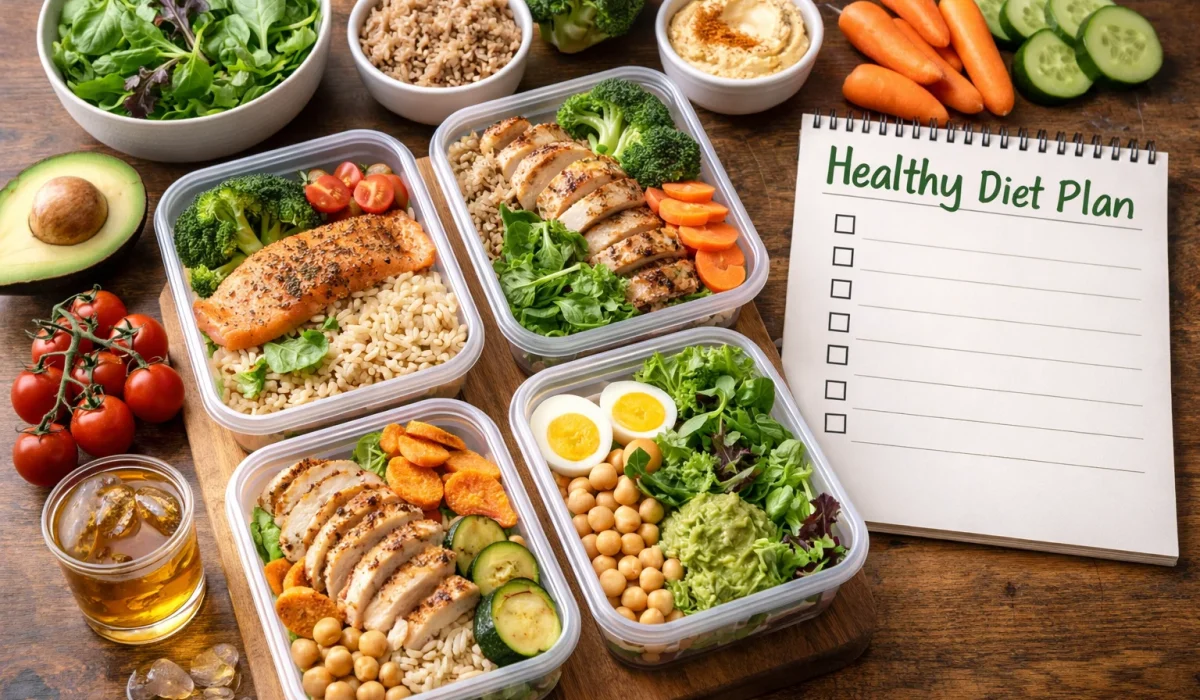
I spent years thinking I could just wing my nutrition. I’d eat a salad for lunch, maybe some chicken for dinner, and wonder why I felt like a zombie halfway through my afternoon workouts. It’s a common trap that many of us fall into. You think you’re eating “clean,” but you have no clue if you’re actually fueling your body for the specific work you’re putting in at the gym. I remember one month where I tried to cut weight by just eating less of everything without any real plan. I lost some weight, sure, but I also lost my strength, my sleep quality, and my patience. It was a complete disaster. I was cranky all the time. My friends didn’t want to be around me, and I couldn’t even finish a basic set of squats without feeling lightheaded and frustrated. I eventually realized that “guessing” is just another word for “hoping,” and hope isn’t a very good strategy when it comes to changing your body composition. You can’t just throw darts in the dark and expect to hit the bullseye every time.
Everything shifted when I actually sat down and looked at the hard math behind my daily meals. I’d always avoided it because it seemed too complicated or obsessive, but I was desperate for a change that actually lasted. I started using a Macro Calculator to figure out the actual ratio of proteins, fats, and carbs I needed for my height and activity level. And man, was I off. I was eating way too much fat and nowhere near enough protein to maintain the muscle I was trying so hard to build. It was a massive eye-opener for me. Seeing the numbers laid out like that made me realize why I had been plateauing for nearly a year. It wasn’t that I lacked willpower; I just lacked the right map to get to my destination. Using a tool like this doesn’t mean you have to be a robot. It just gives you a framework so you aren’t constantly second-guessing every single bite you take. It turned out that I could actually eat more than I thought, as long as I was hitting the right targets.
Now, I don’t track every single day with the same intensity, but having that baseline changed how I view food forever. I can look at a plate now and have a pretty good idea of what’s in it, but I still go back to the numbers whenever my goals shift or I start feeling sluggish again. It’s about building a sustainable habit, not a temporary obsession. But you have to be honest with yourself about the data first. Or you’ll just keep spinning your wheels in the same spot for another year. I’ve seen so many people give up on their fitness journey because they didn’t see results, and most of the time, it’s just a fueling issue. They’re working incredibly hard, but they aren’t eating smart enough to back up that effort. Don’t make it harder than it has to be. Grab a tool, do the math once, and then adjust as you go. It’s not about being perfect every day; it’s about making sure the effort you’re putting in actually pays off. Trust me, your future self will thank you when the progress finally starts to show.