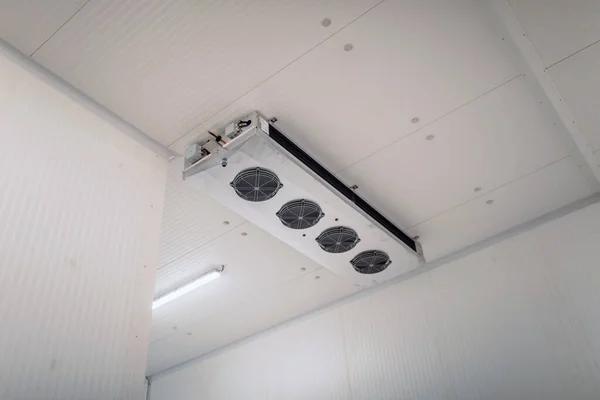
Finding reliable commercial refrigeration is essential for businesses across various industries, as it directly impacts product quality, safety, and operational efficiency. Whether operating a restaurant, grocery store, pharmaceutical company, or floral shop, selecting the right refrigeration equipment ensures that perishable items are stored at optimal temperatures to prevent spoilage and maintain freshness. The process begins by understanding specific industry requirements and evaluating available options based on durability, energy efficiency, capacity, and maintenance needs.
Different industries have unique refrigeration demands that influence the choice of equipment. Foodservice establishments typically require units capable of handling frequent door openings while maintaining consistent temperatures to comply with health regulations. Grocery stores need large-capacity refrigerators with adjustable shelving to accommodate diverse products ranging from fresh produce to frozen goods. Pharmaceutical companies demand precise temperature control within strict ranges to preserve medications’ efficacy. Floral shops benefit from specialized coolers designed to extend the life of delicate flowers by controlling humidity alongside temperature.
Durability is a critical factor when investing in Commercial Refrigeration because these units operate continuously under demanding conditions. Equipment made from high-quality materials such as stainless steel offers resistance against corrosion and wear over time. Additionally, models featuring advanced compressors tend to provide more reliable performance and quieter operation compared to basic designs. Energy efficiency should also be prioritized since refrigeration accounts for a significant portion of utility costs in many businesses. Units with Energy Star certification or similar ratings help reduce electricity consumption without compromising cooling capabilities.
Capacity considerations depend largely on business size and inventory turnover rates; choosing an undersized refrigerator can lead to overcrowding and uneven cooling while oversized units may waste energy unnecessarily. It is advisable for buyers to assess current storage needs along with potential growth before making decisions about dimensions or modularity options that allow future expansion.
Maintenance accessibility plays a vital role in ensuring long-term reliability as well. Refrigerators equipped with easily removable panels facilitate routine cleaning and repairs by technicians or staff members alike. Regular upkeep prevents common issues such as compressor failure or refrigerant leaks that could disrupt operations abruptly.
Working closely with reputable suppliers who understand industry-specific challenges helps identify suitable models tailored for particular applications rather than generic solutions prone to failure under heavy use conditions. Reliable commercial refrigeration not only safeguards products but also supports regulatory compliance efforts by maintaining proper documentation through digital monitoring features present in many modern systems.
In conclusion, finding dependable commercial refrigeration involves careful analysis of industry needs combined with thorough evaluation of equipment characteristics including durability, energy consumption, capacity adequacy, ease of maintenance, and supplier expertise. Investing wisely in appropriate cooling solutions ultimately contributes significantly toward preserving product integrity while optimizing overall business performance across diverse sectors requiring refrigerated environments consistently throughout their daily operations.